 Vietnamnet.vn

 Podcast



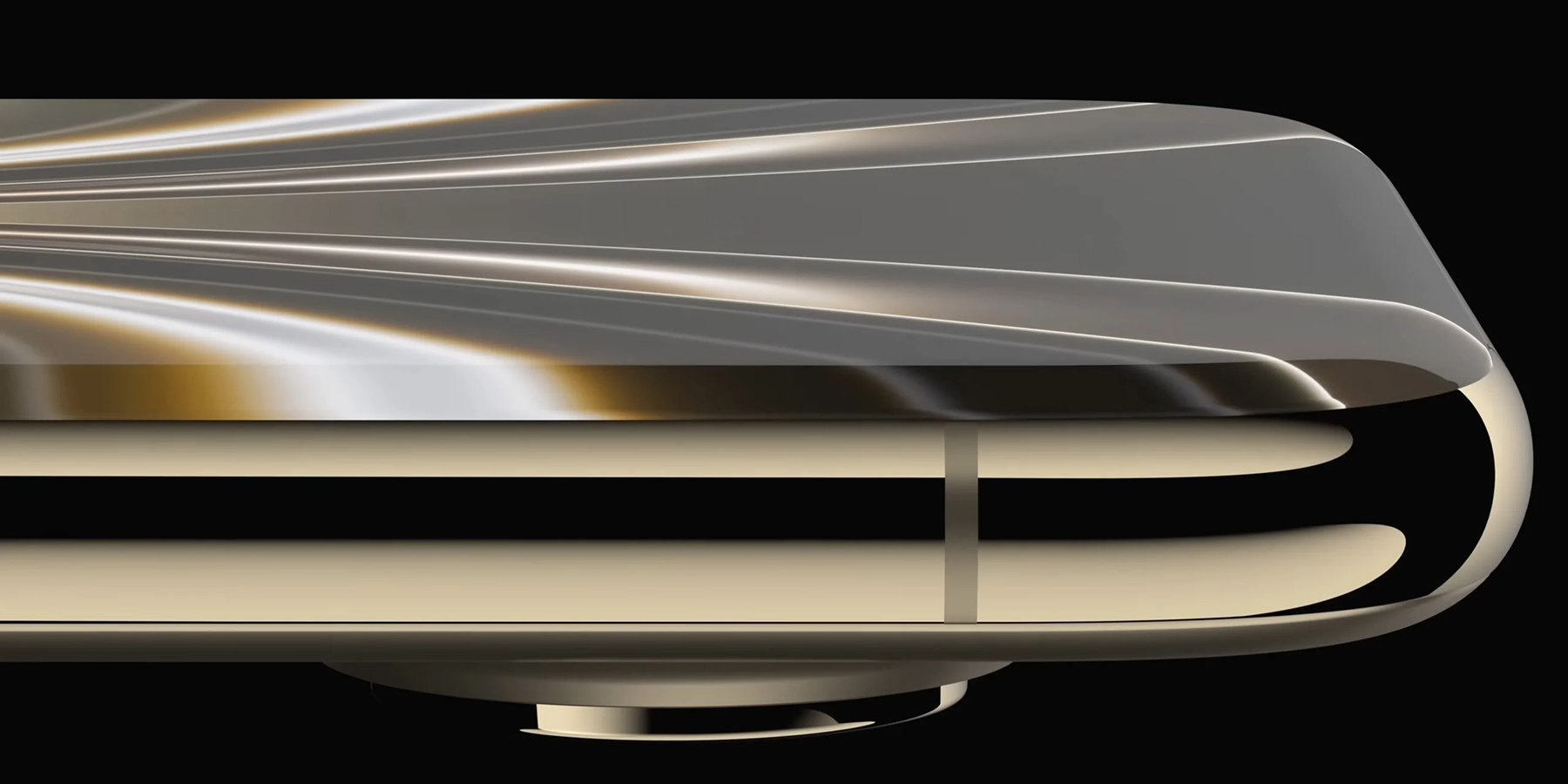
The 20th anniversary iPhone is rumored to feature a display curved along all four edges for the first time. Photo: Fpt
If you are debating whether to purchase the iPhone 17 Pro Max or wait for the iPhone 18 Pro Max, the reality is that the upcoming model may not deliver the kind of breakthrough that fundamentally changes how the device feels to use.
Apple's history, however, suggests that every few years the company introduces a product capable of redefining expectations. The iPhone X in 2017 remains the clearest example.
Its edge-to-edge display and Face ID system instantly made older iPhones feel outdated and marked the beginning of a new era for the product line.
According to multiple reports, Apple may be preparing a similar moment in 2027, when the company celebrates the 20th anniversary of the iPhone.
The commemorative model is rumored to introduce sweeping changes across design, display technology, battery systems, camera hardware and artificial intelligence capabilities.
Jony Ive's "single sheet of glass" vision may finally become reality
Former Apple design chief Jony Ive famously envisioned an iPhone that would resemble a seamless piece of glass.
After years of gradual progress, Apple may finally be moving closer to that concept.
Rumors suggest the anniversary iPhone will feature a display curved along all four edges, creating the impression that the front surface consists almost entirely of screen.
Apple's Liquid Glass design language, expected to evolve across future software releases, could also be optimized to blend the interface more naturally with the hardware, creating a more immersive and seamless visual experience.
While the device may not literally be a single piece of glass, the visual effect could come remarkably close.
Reports about Apple's plans to eliminate physical buttons have circulated for years. By 2027, that transition may finally happen.
The company is said to be developing solid-state pressure-sensitive controls integrated directly into the device's frame. Haptic feedback generated by the Taptic Engine would simulate the sensation of pressing a traditional button, similar to how the Home button functioned on the iPhone 7.
Such a design could not only make the device feel more futuristic but also reduce mechanical openings that accumulate dust and gradually compromise water resistance.
A truly uninterrupted display
Apple's ambitions may extend far beyond curved edges and solid-state controls.
The company is reportedly developing thinner and brighter OLED panels that consume less power while delivering improved visual performance.
More importantly, the display cutout could disappear entirely.
Apple is believed to be working toward placing both Face ID components and the front-facing camera beneath the display. If successful, it would mark the first iPhone with a completely uninterrupted screen.
Should the technology require additional refinement, Apple could instead reduce the size of the Dynamic Island to the smallest footprint possible rather than eliminating it altogether.
Either way, the objective remains the same: delivering the most seamless display experience ever seen on an iPhone.
Bigger batteries and a new generation of cameras
Battery life remains one of the most important priorities for smartphone users.
Although the current Pro Max lineup already features the largest batteries in iPhone history, Apple appears to be exploring ways to push endurance even further.
The 2027 iPhone could reportedly feature a battery approaching 6,000mAh, an exceptionally large capacity by Apple's standards.
At the same time, Apple is said to be researching silicon-anode battery technology, which could significantly extend battery life without requiring substantial increases in physical size.
Another long-awaited feature may finally arrive as well.
Wireless reverse charging could allow users to place accessories such as AirPods Pro on the back of the iPhone for charging, a capability that has existed on several premium Android devices for years.
Apple has also invested heavily in iPhone camera development, particularly in computational photography and video performance.
For the anniversary model, the company is rumored to be introducing its proprietary LOFIC image sensor technology.
This system would enable individual pixels to store different amounts of light within the same image, dramatically improving high dynamic range performance.
The result could be more balanced exposures, improved highlight retention and greater detail in darker areas, producing photographs with more natural lighting and enhanced depth.
If the technology performs as expected, Apple's position as a leader in mobile photography could become even stronger.
2nm chips and AI become the next battleground
Naturally, the 2027 iPhone is expected to feature a more powerful processor.
Industry speculation points to an A21 Pro chip built using Apple's second-generation 2nm manufacturing process.
One particularly intriguing possibility is the integration of High Bandwidth Memory, or HBM.
Typically found in advanced AI accelerators and high-performance graphics processors, HBM enables significantly faster data transfers between the CPU, GPU and memory subsystems.
The technology could prove especially valuable for on-device AI processing, improving performance while reducing power consumption.
Apple is also expected to complete its transition away from Qualcomm by relying entirely on internally developed modem technology.
Such a move would allow the company to optimize connectivity, efficiency and battery life more effectively across its ecosystem.
The price may not be as extreme as expected
Given the scale of the rumored upgrades, many observers have predicted that Apple's 20th anniversary iPhone could carry a dramatically higher price tag.
Recent reports, however, suggest Apple may keep the device within the existing Pro lineup rather than introducing an entirely new ultra-premium category.
That would likely result in some level of price increase, but perhaps not as dramatic as many had anticipated.
With Apple's first foldable iPhone widely rumored to cost around $2,000, the company may prefer to maintain a clear distinction between product categories and avoid overlapping price segments.
For users still carrying older devices such as the iPhone 13 or iPhone 14, upgrading to the iPhone 17 Pro Max or iPhone 18 Pro Max would still represent a significant improvement.
For owners of more recent Pro models, however, the iPhone expected in 2027 may be the device that truly delivers Apple's next smartphone revolution.
Hai Phong
.svg)
